

Tomorrow’s Weighing Electronics: Key Requirements of Users
Interview with Niko Donder, International Sales Engineer at SysTec

Interview: Tomorrow's weighing electronics / Niko Donder SysTec
Niko Donder: International Sales Engineer and expert in weighing electronics at SysTecWhat new demands do today’s users place on weighing electronics? What are your experiences in practice?
Technological innovations are a major driving force behind the development of the weighing industry and shape the requirements of users. Modern dynamic weighing and filling processes require fast and precise signal processing. The hardware and software components must be designed for maximum throughput and the shortest cycle times for checkweighers or filling scales. For dynamic vehicle or railway scales, exceptionally high sampling rates are essential to accurately capture load changes and movements, and ensure correct evaluation. In addition to W&M approvals, a wide operating temperature range, high vibration resistance, strong EMC protection, and high housing tightness are further essential requirements, all of which are addressed by the SysTec product family.
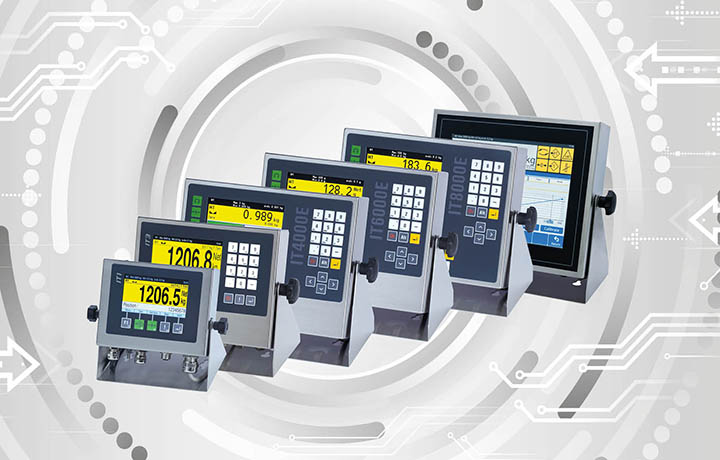
SysTec weighing electronics / weighing indicators
SysTec weighing indicators offer excellent connectivityWhat role do interfaces and connectivity play in today’s weighing electronics?
Within the context of Industry 4.0, users expect interfaces that go beyond traditional analog, digital and fieldbus connections, such as OPC UA, MQTT, or REST APIs, to seamlessly integrate data into higher-level systems. Remote maintenance and monitoring are becoming increasingly important, as systems are expected to be monitored, controlled, and optimized from a distance.
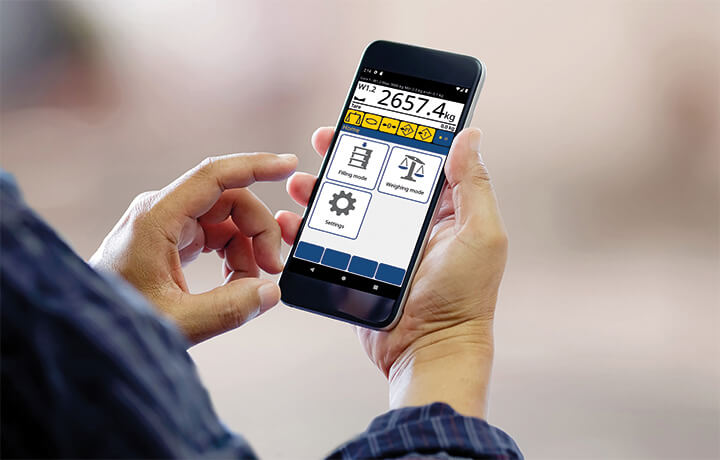
App ScaleRemote SysTec
The SysTec ScaleRemote appWhat other aspects are important to today’s users?
Flexibility in operation is playing an increasingly important role. Modern weighing indicators offer customizable HMI interfaces and app-controlled operation, allowing processes to be managed individually and intuitively. At the same time, aspects such as cybersecurity and compliance are gaining greater focus to ensure both data security and regulatory requirements are met.
As always, industrial systems must operate reliably, often under harsh environmental conditions. That is why ruggedness is one of the most important factors: housings require high degrees of protection, materials must be acid-resistant or cleanable, and components must be able to withstand temperature fluctuations.
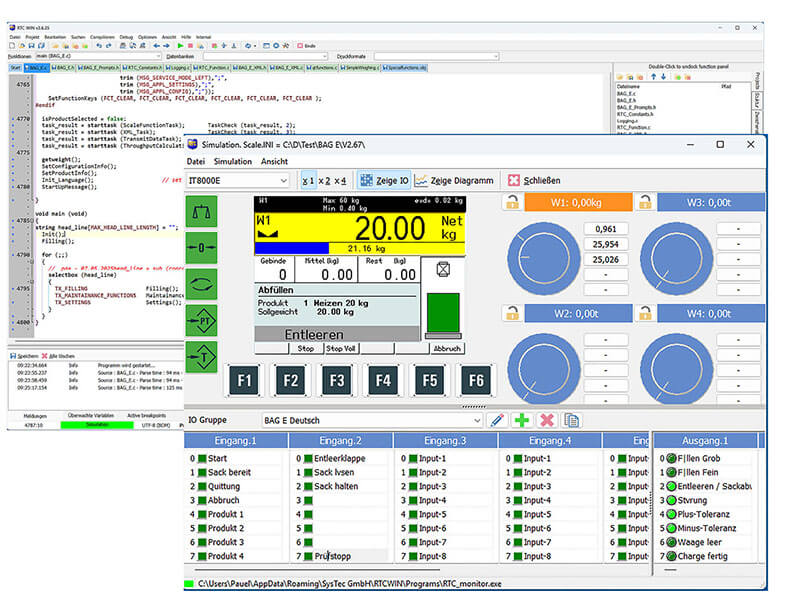
freely programmable weighing indicators with RTC WIN SysTec
Freely programmable SysTec weighing indicators: the RTC WIN development environment offers flexibilityOne of SysTec’s core focuses is on freely programmable weighing indicators. But what does that actually mean, and what benefits does this level of customization bring?
Freely programmable weighing indicators allow users to adapt the control logic precisely to their processes. This can include minor functional enhancements or entirely new applications. For example, user-defined dosing sequences can be programmed in filling systems with control and regulation challenges. Short filling cycles can be achieved through specific dosing stages and opening angles, which are controlled by our SysTec weighing indicators. Additionally, tolerances can be adjusted and product-specific processes implemented, all tailored to production requirements. Our RTC WIN development environment allows programs to be developed efficiently on a PC, tested in the simulation environment, and then transferred to the weighing indicator. This provides optimal preparation for system commissioning, which is a significant advantage for users.

The hardware of our weighing indicators is also modular in design. This allows the indicator to be precisely adapted to the specific system through interface or I/O expansions. For users, this provides a high level of investment protection: if processes change or become more complex, the entire hardware does not need to be replaced—often a software adjustment is sufficient.
Data security, legal-for-trade measurement, and regulatory compliance are indispensable aspects of operating the system.
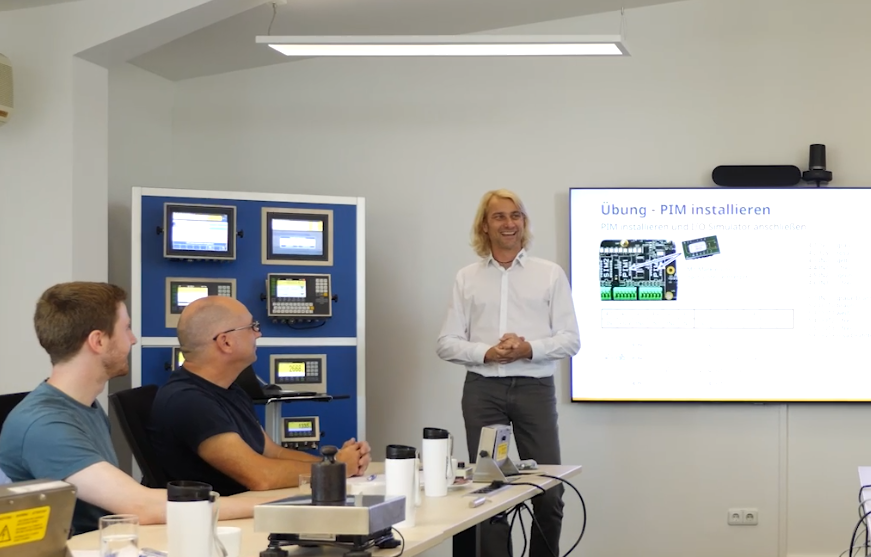
SysTec seminars
SysTec offers various types of seminars for partners: onsite training courses as well as online or hybrid seminarsWhat challenges occur when customers or system integrators use freely programmable weighing indicators? Where might the potential limitations lie?
The biggest challenge usually lies in know-how. Anyone who wants to program flexibly needs at least a basic understanding of control logic and industrial software development. That’s why we offer our partners intensive seminars for our RTC WIN development environment, which is used to program our weighing indicators. For more complex applications, our partners can, of course, also commission SysTec to handle customer-specific programming.
Regulatory requirements also play an important role. In compliance with W&M legislation guidelines, SysTec provides an interface that can be used to read W&M approved .weight values and inputs, and to set outputs. In applications subject to legal for trade requirements, software changes must also be carefully validated and documented. And, of course, customer-specific programs must be maintained, documented, and updated as needed over the long term.

Looking ahead: How will weighing electronics evolve over the next five to ten years? Which trends are already becoming clearly visible today?
The strongest trend is the increasing digitalization. Weighing indicators will be even more closely integrated into IoT and cloud environments, allowing weight data to be analyzed in real time and processed in higher-level systems. Cybersecurity will also become increasingly important as a result.
Another area is intelligent analytics. We expect AI-powered functions—such as detecting anomalies or wear—to become increasingly important. User operation will also see significant changes: intuitive user interfaces and configurable workflows are set to become even more widespread. Finally, we anticipate that sustainability and energy efficiency will play a much greater role in product development.